The Hidden World of Exotic Pet Care: Essential Insights for Responsible Ownership
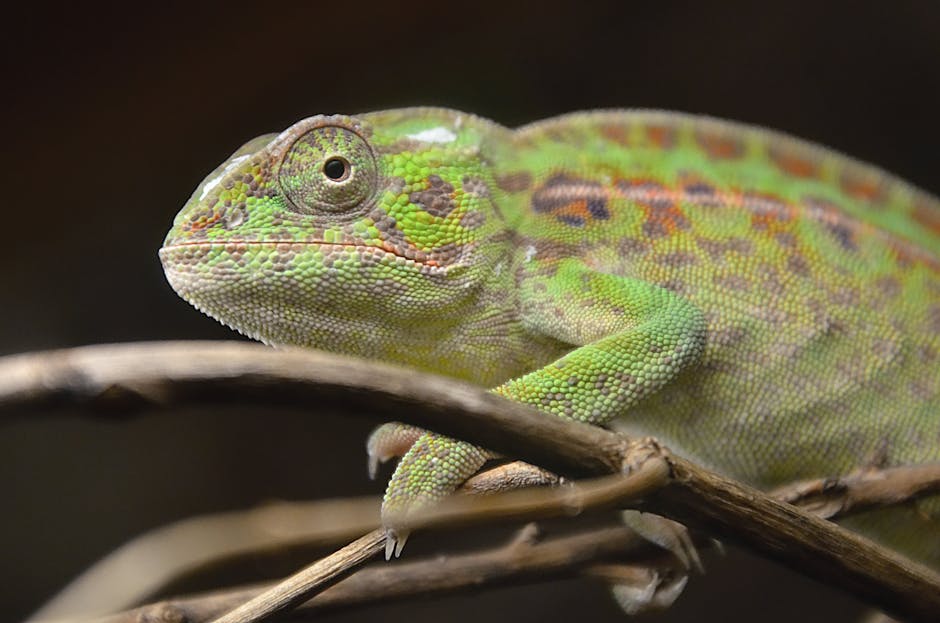
In an era where traditional pets have long been complemented by creatures from distant lands, the world of exotic pet care has blossomed into a vibrant niche within veterinary medicine. From chameleons to sugar gliders, these captivating animals bring both wonder and responsibility into our homes.
This guide delves deep into the specialized realm of exotic pet care, exploring everything from habitat requirements to emergency preparedness. Whether you’re a seasoned keeper or new to the world of non-traditional companionship, understanding the intricacies of their needs is crucial for ensuring their well-being.
Diversity in Species: Understanding Your Unique Companion
The term “exotic pet” encompasses a vast array of species that defy conventional categorization. This includes reptiles such as iguanas and bearded dragons, small mammals like ferrets and hedgehogs, birds ranging from parrots to toucans, amphibians including frogs and salamanders, and even some insects and arachnids.
Each species brings its own set of biological demands, behavioral patterns, and environmental preferences. Recognizing these differences early on can prevent many common health issues associated with improper husbandry practices.
- Habitat specificity: Many exotic pets require environments that closely mimic their native habitats, which may include precise temperature gradients, humidity levels, and lighting conditions.
- Social dynamics: Some species are solitary while others thrive in social groups, making understanding their natural behaviors essential for appropriate housing arrangements.
For instance, tree-dwelling rodents like flying squirrels need vertical spaces to climb whereas burrowing species like degus require complex tunnel systems. These distinctions highlight why researching your pet’s natural history is so vital before adoption.
Selecting the right exotic companion involves careful consideration beyond mere aesthetics. Factors such as lifespan expectancy, activity level, dietary needs, and potential medical complications must all be weighed against personal lifestyle factors.
A thorough research phase involving reputable breeders, rescue organizations, and experienced owners can provide invaluable insight into what each species truly requires over decades of captivity.
Crafting the Perfect Habitat: Beyond Basic Needs
Creating an optimal living environment for your exotic pet goes far beyond providing shelter alone. It involves meticulously replicating elements found in their natural ecosystems through carefully selected substrates, furnishings, and climate controls.
Reptile enclosures particularly benefit from thermoregulation setups featuring basking spots alongside cooler zones. For example, leopard geckos require ambient temperatures between 75°F and 85°F with distinct heating areas reaching up to 95°F during daytime hours.
Birds necessitate spacious aviaries equipped with perches at varying heights and angles to encourage natural movement. Parrot cages should ideally measure at least twice the bird’s wingspan in width and height to allow full flight development when possible.
Amphibian tanks demand strict humidity regulation along with adequate water features. Poison dart frogs maintain themselves through skin respiration rather than lungs, requiring constant access to moist surfaces without standing water sources.
Proper ventilation is another critical component across all types of enclosures. While excessive airflow might dry out certain species’ skin membranes, insufficient circulation can lead to mold growth or respiratory infections in others.
Maintaining clean living quarters involves regular spot cleaning combined with periodic deep cleans using safe disinfectants specifically formulated for animal use. Daily waste removal helps reduce odor buildup while preventing pathogen proliferation.
Lighting considerations vary significantly depending on the species. Diurnal animals benefit from full-spectrum UVB lights mimicking sunlight, while nocturnal creatures often prefer dim red/orange spectrum illumination to avoid disrupting sleep cycles.
Specialized Equipment for Specific Needs
Many exotic pets require custom-made accessories tailored precisely to their anatomical structures and behavioral tendencies. Sugar gliders, for instance, rely heavily on horizontal bars for climbing and gliding activities, necessitating multi-level enclosures with wide spacing between rungs.
Chinchillas possess highly sensitive feet that become easily irritated by rough textures, demanding bedding materials composed entirely of soft paper-based products rather than wood shavings or sand baths.
Some aquatic species like axolotls depend on filtration systems capable of maintaining extremely low ammonia/nitrate levels through efficient biological cycling processes. Their tanks also need to remain free from direct light exposure due to photosensitivity concerns.
Feeder insect colonies used in diets must be raised under controlled conditions devoid of pesticides and other contaminants. Gut-loading techniques involve feeding them nutrient-rich foods prior to being offered as food items.
Heating devices range from simple ceramic heat emitters suitable for terrestrial species to advanced aquarium heaters designed for aquatic environments. Thermostats help regulate temperatures automatically based on pre-set parameters.
Humidifiers play a crucial role in maintaining proper moisture levels especially for tropical species kept indoors year-round. Misting systems simulate rain showers beneficial for encouraging hydration behavior in certain frog varieties.
Appropriate substrate choices extend beyond basic bedding functions; they serve dual purposes regarding both comfort and enrichment opportunities. Coconut husk fiber provides excellent drainage properties ideal for arboreal reptiles compared to clay-based alternatives.
Nutritional Foundations: Fueling Life Across Species
Ensuring proper nutrition is arguably one of the most critical aspects of exotic pet ownership. Unlike domesticated animals whose commercial diets have undergone extensive formulation testing, many wild-caught specimens lack nutritional balance unless supplemented appropriately.
Ferret diets must consist primarily of high-protein meats sourced exclusively from commercially available formulas rather than raw chicken scraps commonly mistaken as acceptable substitutes. This prevents deficiencies leading to fatal diseases like heart failure or gastrointestinal disorders.
Parrots benefit immensely from varied diets incorporating fresh fruits, vegetables, grains, and occasional protein sources. However, avocados contain persin toxins lethal to birds despite appearing harmless to humans consuming them regularly.
Herbivorous reptiles like iguanas require calcium-to-phosphorus ratios exceeding 2:1 in their diet compositions. Calcium dusting applied to kale leaves ensures adequate mineral intake without relying solely on potentially inadequate commercial pelleted feeds.
Small mammal diets should never include chocolate, onions, garlic, or xylitol-containing products typically found in human snacks. These substances cause severe liver damage or neurological impairments even in minute quantities.
Hydration management varies among different taxa – some obtain sufficient fluids from food items alone while others necessitate daily water provision via drip bottles or shallow bowls placed strategically around their enclosure.
Supplemental vitamins and minerals are frequently required to compensate for synthetic feed limitations. Products containing vitamin D3 prove indispensable for reptiles unable to synthesize this essential compound naturally through UV radiation exposure.
Health Monitoring: Detecting Early Signs of Distress
Vigilant observation forms the cornerstone of effective exotic pet healthcare. Owners must familiarize themselves thoroughly with normal behaviors exhibited by their particular species to recognize deviations promptly.
Changes in eating habits, weight fluctuations, abnormal fecal matter consistency, lethargy episodes, or unusual vocalizations all signal potential underlying medical conditions warranting immediate attention from qualified professionals.
Regular physical examinations conducted by certified exotic veterinarians enable early detection of ailments that might otherwise go unnoticed until significant organ damage occurs.
Diagnostic tools now available to vets include digital radiography units, endoscopic cameras, complete blood count analyzers, and biochemical profile tests specifically calibrated for various wildlife species.
Emergency protocols differ substantially between different classes of animals. Reptiles experiencing shock symptoms show signs such as rapid eye blinking whereas birds affected by similar circumstances exhibit fluffed feathers and decreased responsiveness.
Prompt transport methods vary accordingly too – some patients require warm blankets wrapped securely during transit while others benefit from oxygen supplementation administered en route to treatment facilities.
Treatment approaches often diverge dramatically from standard veterinary procedures practiced on dogs and cats. Surgical interventions performed under general anesthesia pose greater risks for smaller-bodied creatures needing meticulous monitoring throughout recovery periods.
Behavioral Enrichment: Stimulating Minds and Spirits
Providing mental stimulation is as crucial for exotic pets as meeting their physiological needs. Without adequate engagement opportunities, many intelligent species develop destructive tendencies or suffer from psychological distress manifesting physically.
Environmental complexity plays a pivotal role in promoting natural instincts through interactive objects scattered throughout enclosures. Puzzle feeders challenge cognitive abilities while hiding spots offer refuge from perceived threats or disturbances.
Social interaction requirements vary greatly – some species flourish in group settings while others become stressed when forced into unnatural company situations. Researching compatibility guidelines beforehand avoids unnecessary conflicts later on.
Playtime routines should mirror wild behaviors whenever feasible. For instance, crepuscular animals benefit from active periods aligned with dawn/dusk times instead of arbitrary human schedules imposed upon them unnecessarily.
Training sessions utilizing positive reinforcement techniques foster stronger bonds between owner and pet simultaneously enhancing compliance rates during routine care tasks like nail trims or injections.
Rotating toys periodically maintains novelty factor keeping boredom at bay. Natural materials such as branches or hollow logs promote gnawing behaviors beneficial for dental hygiene maintenance in rodents.
Legal Considerations & Ethical Responsibilities
Exotic pet ownership comes with legal obligations that vary considerably depending on geographical location. Certain jurisdictions impose strict regulations governing possession rights while others completely prohibit specific wildlife species altogether.
Obtaining necessary permits usually involves demonstrating knowledge of proper care standards through documentation provided by licensed veterinary practitioners. Violating these laws carries severe penalties ranging from fines to confiscation orders issued by local authorities.
Ethically responsible breeding programs prioritize genetic diversity above profit margins, avoiding inbreeding practices known to produce congenital defects prevalent in captive-bred populations lacking sufficient population bases.
Rescue organizations play instrumental roles rescuing abandoned animals suffering from neglectful living conditions created by unprepared caretakers unaware of true maintenance commitments involved in long-term stewardship responsibilities.
Adopting from shelters reduces pressure on wild populations already struggling against habitat destruction caused largely by human expansion activities affecting global biodiversity negatively.
Supporting conservation efforts indirectly benefits wild counterparts by funding habitat preservation initiatives aimed at safeguarding natural ecosystems essential for survival prospects of endangered species worldwide.
Building Lasting Relationships Through Education
Successful exotic pet ownership hinges critically upon continuous learning journeys undertaken by dedicated caretakers committed to lifelong education about their charges’ ever-evolving needs.
Attending workshops organized by professional associations grants access exclusive resources covering recent advancements made in specialized fields relevant only to non-traditional companion animals.
Participating actively within online forums fosters peer support networks comprised fellow enthusiasts sharing firsthand experiences gained from years spent nurturing diverse lifeforms unlike anything encountered previously.
Collaborative relationships formed with experienced veterinarians ensure timely intervention strategies addressing emerging challenges proactively rather than reactively treating problems after irreversible harm has occurred.
Documenting observations systematically allows identification trends useful during consultations with specialists who may interpret subtle changes indicating early stages of disease progression undetectable visually alone.
Establishing clear communication channels between primary caregivers and secondary handlers becomes imperative when temporary custodianship transfers occur frequently such as during travel excursions away from home premises.
Conclusion
Understanding the complexities inherent in caring for exotic pets transforms mere ownership into meaningful partnerships built upon mutual respect and shared responsibilities.
By committing ourselves wholeheartedly towards mastering every facet encompassing their lives we create enduring legacies benefiting generations yet unborn who will inherit this incredible gift of coexistence with nature’s most fascinating creations.

news is a contributor at VetRide. We are committed to providing well-researched, accurate, and valuable content to our readers.