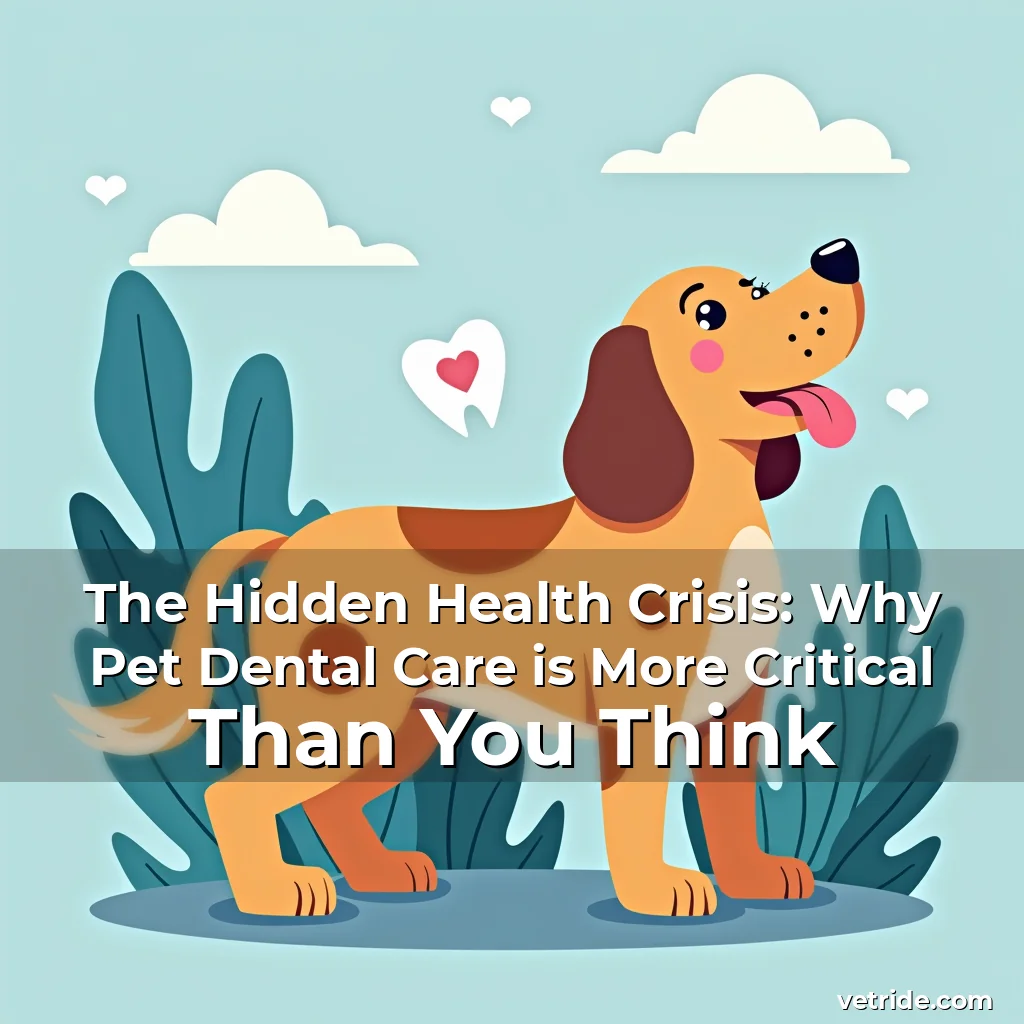
The Hidden Health Crisis: Why Pet Dental Care is More Critical Than You Think
Dental disease affects over 80% of dogs and 70% of cats by age three, yet many pet owners overlook its impact until serious complications arise.
This silent health crisis can lead to painful infections, organ damage, and even shortened lifespans if left untreated. Understanding your pet’s oral health needs could mean the difference between a happy, healthy companion and a suffering animal facing expensive treatments later in life.
The Silent Threat Beneath Your Pet’s Smile
Pet dental issues often develop without obvious symptoms in their early stages. A seemingly clean mouth can hide plaque buildup that progresses rapidly to periodontal disease within months.
Untreated dental problems cause chronic pain, making simple activities like eating or playing excruciatingly difficult for pets. This discomfort frequently goes unnoticed by well-meaning owners who assume their animals are simply being finicky eaters.
- Bacteria from infected teeth: Can enter the bloodstream and affect vital organs like the heart, liver, and kidneys
- Tooth loss: Not only impacts nutrition but also changes facial structure as surrounding tissues recede
Recognizing Early Warning Signs of Oral Disease
Familiarize yourself with these subtle indicators that may signal developing dental issues in your pet. Redness along the gum line is an early warning sign worth investigating promptly.
Your pet might show reluctance when you touch their face or mouth area. This aversion can indicate sensitivity caused by inflamed gums or abscesses forming beneath the surface.
Changes in chewing behavior such as dropping food pieces while eating or favoring one side of the mouth deserve immediate attention. These habits often reveal tooth decay or misalignment problems.
If your pet develops bad breath that doesn’t respond to regular brushing, consult your veterinarian before assuming it’s merely a dietary issue.
The Science Behind Periodontal Disease Progression
Dental plaque forms continuously through normal salivary secretions containing bacteria. Within 24 hours of not cleaning your pet’s teeth, this sticky film hardens into calculus that irritates gum tissue.
Gum inflammation begins as gingivitis, characterized by redness and swelling around the base of each tooth. At this stage, professional intervention can reverse the condition through thorough scaling and polishing procedures.
If left unaddressed, gingivitis advances to periodontitis where pockets form between teeth and supporting bone structures. This progressive destruction leads to loose teeth and potential jawbone resorption.
Eventually, severe cases result in tooth loss and systemic infection risks as harmful bacteria spread through the bloodstream to critical internal organs.
Preventive Measures That Save Lives and Wallets
Establishing good oral hygiene routines from puppyhood significantly reduces long-term veterinary costs associated with advanced dental treatments. Regular checkups enable early detection of emerging issues before they become costly emergencies.
Veterinarians recommend daily brushing using pet-specific toothpaste formulated with enzymes that break down bacterial colonies. Specialized finger brushes or gauze pads work effectively for pets resistant to traditional toothbrushes.
Dental chews approved by veterinary organizations help mechanically remove plaque while satisfying natural gnawing instincts. Always supervise your pet during chew time to prevent accidental ingestion of small parts.
Feeding raw meaty bones provides natural abrasive action against dental surfaces, though safety precautions must be followed based on your pet’s size and breed characteristics.
Professional Cleaning Procedures and Their Benefits
Veterinary dentists use specialized equipment to perform safe, effective cleanings under general anesthesia. This ensures complete access to all teeth surfaces for thorough plaque removal without risking injury to either pet or technician.
X-rays taken during routine exams reveal hidden cavities behind molars and assess bone levels supporting individual teeth. These diagnostic tools allow precise treatment planning tailored to each patient’s needs.
Cleanings include polishing to smooth tooth enamel which prevents future plaque adhesion. Fluoride applications strengthen enamel and reduce cavity formation risk factors.
Periodontal therapy involves deep cleaning below the gumline where most tartar accumulates. In some cases, surgical interventions may be necessary to repair damaged tissues or extract severely affected teeth.
Surgical Interventions and Postoperative Recovery
Dental extractions require careful pre-operative assessments to determine which teeth need removal based on severity of damage and overall oral health status. Modern techniques minimize trauma to surrounding tissues during extraction procedures.
Anesthesia protocols have improved dramatically, allowing safer surgeries for senior pets with underlying medical conditions. Continuous monitoring systems track vital signs throughout the procedure ensuring optimal safety margins.
Post-operative care includes antibiotics prescribed specifically for the type of infection present, along with anti-inflammatory medications to manage discomfort effectively. Pain management strategies vary depending on the extent of surgery performed.
Special diets designed for post-surgery recovery provide soft textures that don’t disturb healing sites while still meeting nutritional requirements essential for proper wound healing.
Evaluating Home Remedies vs Professional Treatment Options
While some home remedies claim to improve pet dental health, scientific evidence supports only a few proven methods. Natural ingredients like coconut oil or green tea extracts lack sufficient research backing for effectiveness claims.
DIY toothpaste formulations pose significant risks due to potentially toxic ingredients unsuitable for consumption by animals. Never substitute human products meant for personal use onto your pet’s teeth.
Brushing remains the gold standard for mechanical plaque removal despite requiring consistent commitment from caregivers. Even partial adherence yields better results than relying solely on alternative approaches.
Supplements marketed as “dental boosters” offer limited benefits compared to direct physical cleaning methods. Consultation with your veterinarian helps identify legitimate options supported by clinical studies.
Nutritional Strategies Supporting Oral Health
Selecting appropriate foods plays a crucial role in maintaining your pet’s dental wellness. Dry kibble provides slight abrasive action against teeth surfaces when chewed thoroughly.
Taurine-deficient diets negatively impact immune function which increases susceptibility to infectious diseases including those affecting oral tissues. Ensure complete formulas contain adequate amounts of essential nutrients.
Micronutrient deficiencies compromise cellular integrity leading to weakened resistance against pathogenic organisms residing naturally in the oral microbiome. Balanced diets support robust defenses against opportunistic infections.
Hydration levels influence saliva production which acts as nature’s first defense mechanism against microbial colonization. Fresh water availability maintains optimal moisture balance in the oral environment.
Monitoring Changes Over Time Through Routine Exams
Scheduling annual veterinary visits allows professionals to detect gradual shifts in oral health before they progress into full-blown disorders. Digital imaging technology enables comparison across years revealing trends worthy of concern.
Tracking weight fluctuations alongside dental evaluations helps correlate systemic health with oral conditions since poor nutrition often accompanies untreated dental pain.
Behavioral observations recorded consistently over time create meaningful data points showing how dental comfort influences activity levels and appetite patterns.
Early identification of genetic predispositions through pedigree analysis informs targeted preventive measures suited specifically to high-risk breeds prone to certain dental challenges.
Emerging Technologies Transforming Veterinary Dentistry
Laser therapy has revolutionized treatment approaches by reducing inflammation and promoting faster tissue regeneration following surgical procedures. Low-level lasers stimulate cell metabolism enhancing healing processes.
Digital radiography provides instant image processing capabilities with reduced radiation exposure compared to conventional X-ray machines. High-resolution images aid accurate diagnosis of complex structural abnormalities.
Advanced endodontic instruments facilitate root canal treatments previously considered too risky for pets. Microscopic visualization guides precise instrumentation minimizing damage to remaining viable pulp tissue.
Custom-fitted dental implants now offer permanent solutions for patients missing key masticatory functions after extensive extractions. Biocompatible materials integrate seamlessly with existing jaw structures.
Community Education Initiatives Making a Difference
Local clinics organize free screening events targeting underserved communities where financial barriers prevent timely dental care. Mobile units equipped with portable diagnostic tools reach remote areas lacking veterinary infrastructure.
School programs teach children about responsible pet ownership emphasizing importance of dental hygiene as part of broader health education curricula. Interactive modules engage young minds through hands-on demonstrations.
Online forums connect pet parents globally sharing experiences and resources related to various aspects of canine and feline dentistry. Peer-to-peer learning fosters collective knowledge advancement beneficial to all participants.
Collaborations between universities and veterinary hospitals promote ongoing research into innovative therapies addressing persistent challenges faced by practitioners treating diverse species.
Conclusion
Proactive pet dental care represents one of the most impactful ways to ensure longevity and quality of life for our beloved companions. Recognizing early warning signals empowers owners to take decisive actions preventing irreversible damage.
By integrating preventive practices, professional treatments, and modern technological advancements, we create holistic frameworks supporting lifelong oral health in domesticated animals. Remember, every small effort contributes meaningfully toward preserving your pet’s wellbeing.
“`

news is a contributor at VetRide. We are committed to providing well-researched, accurate, and valuable content to our readers.