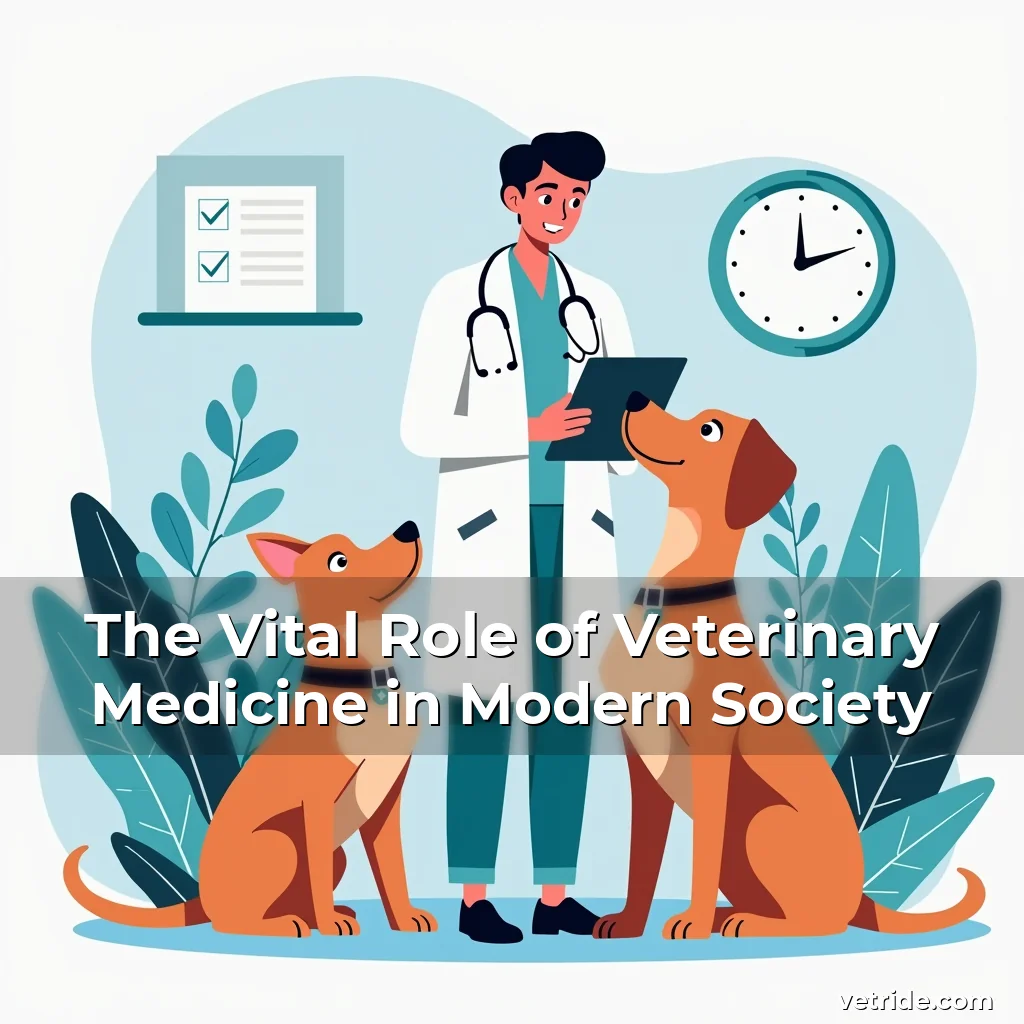
The Vital Role of Veterinary Medicine in Modern Society
Veterinary medicine stands as a cornerstone of human health and environmental well-being. From safeguarding food safety through livestock care to protecting humans from zoonotic diseases, veterinarians play an indispensable role that extends far beyond pet ownership.
This field encompasses diverse disciplines ranging from clinical practice to research, offering numerous opportunities for professionals dedicated to animal welfare and public health.
The Evolution of Veterinary Science
The roots of veterinary science trace back over two millennia when ancient civilizations recognized the importance of treating animals for both practical and symbolic reasons. Early records show Egyptians caring for their working animals as early as 2800 BCE.
Renaissance Europe marked significant advancements with formal education emerging in the 16th century. The establishment of France’s first veterinary school at Alfort in 1761 set a global precedent for professional training in animal healthcare.
Modern veterinary medicine has evolved dramatically since these origins. Today’s practitioners utilize advanced diagnostic tools such as MRI scans, genetic testing, and telemedicine platforms alongside traditional methods.
Cutting-edge developments now include regenerative therapies using stem cells and precision medicine tailored to individual patients based on genomic profiles.
- Diagnostic Advancements: Veterinarians can now detect conditions earlier through sophisticated imaging technologies and laboratory tests that were unimaginable decades ago.
- Specialization Growth: Over 20 distinct specialty areas exist today within veterinary medicine compared to fewer than five specialties in the mid-20th century.
- Educational Requirements: Current programs require four years of undergraduate study followed by four years of veterinary school before certification in specialized fields.
Core Responsibilities of Contemporary Veterinarians
In modern society, veterinarians shoulder multifaceted responsibilities across various domains. Their work impacts everything from companion animal care to wildlife conservation efforts.
Daily tasks often involve diagnosing illnesses, performing surgeries, administering vaccinations, and providing emergency treatment for pets and domesticated animals. These activities form the backbone of routine veterinary practice.
Beyond direct patient care, vets also engage in critical roles related to food production systems. They ensure meat, dairy, and egg products meet stringent quality standards while monitoring for disease outbreaks among farm animals.
Public health protection is another vital function where veterinarians act as guardians against infectious diseases that can jump between species and threaten human populations.
Wildlife rehabilitation centers rely heavily on veterinary expertise to treat injured or orphaned animals, contributing significantly to biodiversity preservation initiatives worldwide.
Specialized Fields Within Veterinary Medicine
The diversity of specializations available reflects the breadth of challenges facing animal health today. Practitioners choose paths aligned with personal interests and societal needs.
Companion animal medicine focuses primarily on cats, dogs, birds, and small mammals kept as household pets. This area represents the largest segment of private veterinary practices globally.
Livestock and poultry specialists work closely with farmers and ranchers to maintain healthy herds and flocks essential for food security around the world. Their knowledge helps prevent economic losses due to disease outbreaks.
Exotic animal medicine caters specifically to non-traditional pets including reptiles, amphibians, fish, and even primates maintained in captivity. Specialized facilities are required to provide appropriate care environments.
Zoo and wildlife veterinarians face unique challenges treating wild animals in controlled settings. Their work supports conservation efforts and ensures ethical treatment of captive specimens.
Aquatic animal medicine addresses the health concerns of marine life, freshwater organisms, and aquaculture operations. With rising ocean temperatures affecting ecosystems globally, this field grows increasingly crucial.
Emergency and critical care units operate 24/7 to handle trauma cases, poisoning incidents, and other urgent situations requiring immediate intervention. These services save countless lives daily across different species.
Surgical specialization allows for complex procedures ranging from orthopedic repairs to organ transplants performed under strict sterile conditions similar to those used in human hospitals.
Behavioral medicine tackles psychological issues affecting animals’ well-being. Through targeted interventions, veterinarians help resolve problems caused by anxiety, aggression, or inappropriate behaviors.
Dentistry plays an essential role in overall animal health, preventing oral infections that could lead to systemic complications if left untreated.
Pharmacology involves selecting appropriate medications while considering factors like dosage requirements, potential side effects, and drug interactions relevant to each species treated.
Pathologists conduct post-mortems to determine causes of death and identify patterns indicating possible outbreaks or environmental hazards impacting animal populations.
The Educational Journey to Becoming a Veterinarian
Pursuing a career in veterinary medicine requires extensive academic preparation and hands-on experience. Aspiring professionals must complete rigorous coursework before entering clinical practice.
Undergraduate studies typically emphasize biological sciences, chemistry, physics, and mathematics to build foundational knowledge necessary for graduate-level studies. Many students pursue degrees in biology, zoology, or pre-veterinary science programs.
Following undergraduate completion, candidates enroll in four-year Doctor of Veterinary Medicine (DVM) programs accredited by national regulatory bodies. These curricula combine classroom instruction with laboratory sessions and clinical rotations.
After obtaining a DVM degree, graduates may choose to specialize further through residency programs lasting one to three years depending on the chosen discipline. Board certification adds credibility to their professional credentials.
To stay current in rapidly evolving fields, practicing veterinarians participate in continuous learning opportunities provided by universities, conferences, and online platforms specializing in veterinary education.
Challenges Facing the Veterinary Profession
Despite its significance, veterinary medicine encounters several obstacles that impact both practitioners and the broader community they serve. Addressing these challenges is essential for sustaining high-quality care delivery.
Workplace stress remains prevalent among veterinary staff due to long hours, emotional demands, and exposure to potentially hazardous materials during procedures involving sick or injured animals.
Funding limitations pose substantial barriers to advancing research and improving infrastructure within many clinics and laboratories conducting important scientific investigations.
Rising operational costs associated with maintaining state-of-the-art equipment and meeting licensing requirements contribute to financial pressures faced by independent practitioners.
Geographic disparities create unequal access to veterinary services, particularly in rural communities where qualified professionals might be scarce despite greater need for preventive care and emergency treatments.
The increasing complexity of medical cases combined with limited time spent with each client creates tension between thorough diagnosis and efficient service provision.
Emerging zoonotic threats necessitate constant vigilance regarding disease surveillance protocols and biosecurity measures designed to protect both animals and people from cross-species transmissions.
Climate change introduces new variables influencing animal health patterns, requiring adaptive strategies to manage shifting epidemiological landscapes effectively.
The Future Landscape of Veterinary Care
Advances in technology promise transformative changes in how veterinary services are delivered and experienced by clients seeking expert guidance for their beloved companions or commercial enterprises reliant upon animal productivity.
Telemedicine platforms enable remote consultations allowing owners to receive preliminary assessments without physically visiting a clinic, which proves especially beneficial during periods of social distancing restrictions.
Artificial intelligence applications assist in analyzing vast amounts of data generated through electronic health records systems, facilitating quicker diagnoses and personalized treatment plans tailored precisely to each patient’s condition.
Genomic sequencing techniques open up possibilities for customized medicine approaches that consider an individual animal’s genetic makeup when determining optimal therapeutic interventions.
Wearable devices equipped with sensors monitor physiological parameters continuously, alerting caregivers promptly whenever abnormal readings indicate potential health issues warranting attention.
Robotics integration enhances surgical capabilities enabling minimally invasive procedures previously deemed too risky or technically challenging for certain types of operations.
Data analytics tools help predict disease outbreaks by identifying trends across large datasets collected from various sources including farms, shelters, and wildlife reserves.
Collaborative networks connecting researchers, clinicians, and policymakers foster innovation through shared resources and collective problem-solving aimed at addressing pressing global health concerns.
Community Impact and Public Awareness
Veterinarians actively engage with local communities through educational outreach programs promoting responsible pet ownership and awareness about common health risks affecting both domesticated and wild animals alike.
Spay/neuter campaigns reduce stray animal populations while simultaneously decreasing transmission rates of contagious diseases that can spread quickly among uncontrolled groups.
Preventive care initiatives educate pet owners about vaccination schedules, parasite control measures, and nutritional guidelines ensuring optimal wellness outcomes for their companions.
Wildlife rescue organizations collaborate regularly with veterinary teams to rehabilitate injured creatures before releasing them safely back into natural habitats.
Outreach efforts extend beyond direct interaction with animals; they also aim to inform the general population about environmental stewardship principles linked closely with animal welfare considerations.
Public engagement events raise visibility surrounding lesser-known aspects of veterinary science such as forensic pathology examinations conducted after suspicious deaths occur within particular species.
By fostering stronger connections between professionals and laypeople, these initiatives enhance mutual understanding of shared goals concerning sustainable coexistence with nature’s inhabitants.
Conclusion
Veterinary medicine continues to evolve as an integral component of our interconnected world where human prosperity depends intimately on the well-being of all living beings sharing this planet with us.
As we look ahead, embracing technological innovations while remaining committed to core values of compassion and scientific rigor will shape tomorrow’s landscape for veterinary professionals and their invaluable contributions toward achieving healthier societies for everyone involved.