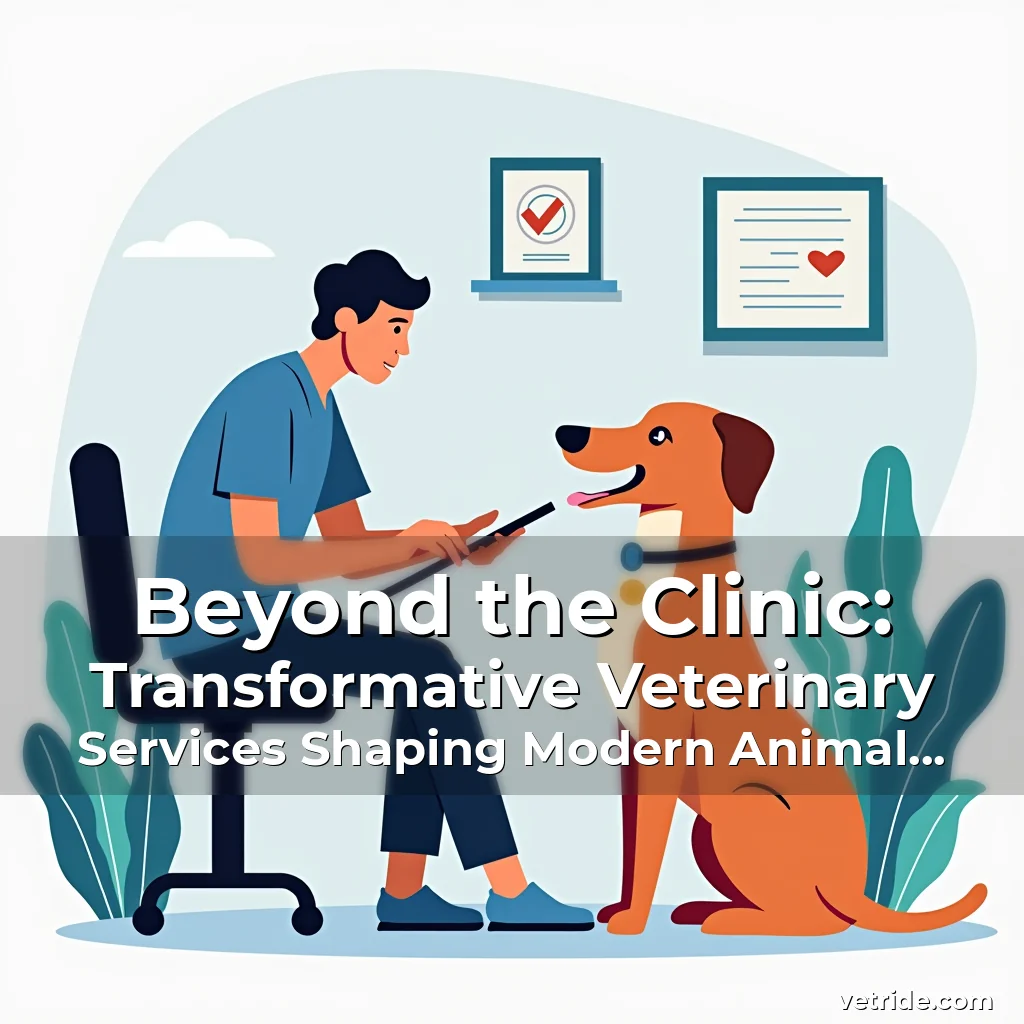
Beyond the Clinic: Transformative Veterinary Services Shaping Modern Animal Care
The landscape of veterinary services has evolved dramatically over the past decade, extending far beyond routine checkups and vaccinations. Today, veterinary care encompasses specialized treatments, cutting-edge technologies, and innovative delivery models that prioritize not only physical wellness but also emotional and behavioral health for companion animals.
This transformation reflects a growing recognition of the intricate bond between humans and animals. From equine therapy programs for veterans to disaster response teams aiding wildlife, veterinary services now play a pivotal role in enhancing quality of life for diverse species across ecosystems.
The Evolution of Comprehensive Veterinary Services
Veterinary services have undergone a remarkable metamorphosis, shifting from reactive treatment models to proactive preventative care strategies. This paradigm shift mirrors advancements seen in human medicine, incorporating regular wellness screenings, nutritional counseling, and early detection protocols for chronic conditions.
Modern veterinary clinics often feature integrative medicine departments offering acupuncture, herbal remedies, and chiropractic adjustments alongside conventional treatments. These multidisciplinary approaches reflect a commitment to holistic healing that addresses both symptomatic relief and underlying causes of illness.
- Telehealth Integration: Virtual consultations allow pet owners to receive medical advice remotely, reducing stress for anxious animals and improving access to specialists in underserved areas.
- Mobile Units: Outreach vehicles equipped with diagnostic tools provide essential care to livestock farmers, rescue organizations, and exotic animal facilities that may lack permanent clinic infrastructure.
Digital health records have revolutionized continuity of care, ensuring seamless information transfer between primary care providers, emergency veterinarians, and specialist consultants. Cloud-based systems enable real-time updates on medication regimens, allergy histories, and vaccine schedules.
Evidence-based practice guidelines developed by veterinary associations now standardize care across disciplines, minimizing variability in treatment outcomes. These protocols incorporate the latest scientific research on everything from feline leukemia vaccines to minimally invasive surgical techniques for orthopedic repairs.
Expanding Horizons: Specialized Veterinary Service Models
Specialization within veterinary medicine continues to expand rapidly, addressing niche needs across domesticated and wild populations. Veterinarians now pursue certifications in fields ranging from aquaculture management to forensic veterinary science.
Farm-specific veterinary services represent a significant segment of the profession, with experts specializing in large animal husbandry, pasture management, and biosecurity protocols. These professionals work closely with agricultural producers to optimize herd health and productivity.
Rising Demand for Wildlife Conservation Medicine
Conservation veterinarians play crucial roles in protecting endangered species through captive breeding programs, habitat restoration efforts, and anti-poaching initiatives. Their work intersects with ecological research, requiring expertise in both veterinary medicine and environmental science.
According to the American Association of Wildlife Veterinarians, there has been a 68% increase in wildlife rehabilitation centers since 2015, reflecting heightened awareness of biodiversity preservation needs. These facilities treat thousands of injured or orphaned animals annually, many of whom require specialized diets and long-term monitoring.
In regions affected by climate change, veterinary scientists collaborate with meteorological agencies to develop predictive models for disease outbreaks among migratory birds. Such interdisciplinary work exemplifies the evolving nature of contemporary veterinary practice.
Pioneering Technological Innovations in Veterinary Care
The integration of artificial intelligence into veterinary diagnostics represents one of the most groundbreaking developments in the field. Machine learning algorithms now assist in analyzing radiographic images, identifying tumors, and predicting disease progression patterns.
Wearable health monitors for pets track vital signs continuously, alerting owners to potential issues before symptoms become apparent. Devices capable of measuring heart rate variability, sleep cycles, and activity levels contribute significantly to preventative care strategies.
- Surgical Robotics: Laparoscopic procedures performed by robotic arms reduce tissue trauma, shorten recovery periods, and minimize postoperative complications for complex surgeries involving internal organs.
- 3D Printing Applications: Custom prosthetics, dental implants, and anatomical models aid in pre-surgery planning, particularly when treating rare congenital defects in exotic species.
Virtual reality training modules immerse students in simulated clinical scenarios, allowing them to refine skills without risking harm to live patients. Augmented reality applications overlay digital overlays onto real-world environments, assisting surgeons during delicate operations.
Blockchain technology enhances traceability in pharmaceutical supply chains, preventing counterfeit medications from reaching veterinary hospitals. Smart contracts automate prescription refills based on monitored dosage schedules and refill intervals.
Cultivating Compassionate Care Environments
Emotional well-being has become a central consideration in veterinary service delivery. Facilities now implement Fear Free-certified environments designed to reduce anxiety in small mammals and avian patients undergoing examinations.
Client education programs emphasize understanding animal behavior, interpreting nonverbal cues, and recognizing signs of distress. These initiatives empower pet owners to make informed decisions regarding their companions’ health and comfort.
Mental health support services for veterinary staff recognize the high-stress nature of the profession. Confidential counseling options and peer support networks help mitigate burnout associated with dealing with sick or dying animals daily.
Animal-assisted therapy programs benefit both veterinary personnel and clients. Interactions with therapy dogs demonstrate the reciprocal relationship between human and animal wellbeing, reinforcing the therapeutic value of interspecies bonds.
Veterinary Contributions to Global Public Health
Veterinarians serve as frontline defenders against zoonotic diseases, playing critical roles in pandemic preparedness and infectious disease surveillance. Their expertise helps identify emerging pathogens that pose risks to human populations.
Through mandatory rabies vaccination campaigns, veterinary professionals protect millions of people worldwide from deadly viral infections. Effective immunization programs rely on close collaboration between animal caretakers and public health officials.
Food safety inspection systems developed by veterinary authorities prevent contamination of meat products and dairy supplies. Regular audits of slaughterhouses and processing plants ensure compliance with hygiene standards that safeguard consumer health.
Vector control programs targeting mosquitoes, ticks, and fleas help curb transmission of parasitic diseases affecting both animals and humans. Integrated pest management strategies balance ecological considerations with public health imperatives.
Education and Community Engagement Initiatives
Outreach programs educate young people about responsible pet ownership through school visits, summer camps, and interactive workshops featuring live demonstrations. These activities foster empathy and respect for all living creatures.
Community-led spay/neuter initiatives combat pet overpopulation while promoting population control. Mobile sterilization units bring affordable reproductive services to low-income households and underserved communities.
Online educational platforms offer accessible courses covering topics from basic first aid to advanced nutrition planning. These resources democratize knowledge sharing, empowering individuals to provide optimal care regardless of geographic location.
Social media campaigns raise awareness about neglected animal welfare issues, mobilizing public support for legislative changes and funding allocations. Viral video challenges encourage participation in global adoption drives and donation campaigns.
Navigating Challenges in Contemporary Veterinary Practice
Despite progress, veterinary professionals face persistent challenges including workforce shortages, rising tuition costs for aspiring clinicians, and ethical dilemmas surrounding end-of-life care decisions.
Geographic disparities exist in access to specialized veterinary services, with rural areas experiencing higher veterinarian-to-population ratios than urban centers. Telemedicine offers partial solutions but cannot replace hands-on evaluations for certain conditions.
Economic pressures force some clinics to limit the types of services they can afford to offer. High overhead costs related to facility maintenance, equipment upgrades, and regulatory compliance strain business sustainability.
Environmental factors influence disease prevalence, creating new challenges for infection control protocols. Climate change impacts require continuous adaptation of treatment strategies for weather-related illnesses and habitat loss effects.
The Future Landscape of Veterinary Services
Ongoing research promises further transformations in veterinary medicine, with genetic engineering poised to revolutionize treatment options for hereditary disorders. CRISPR technology enables precise modifications to DNA sequences, opening possibilities for curing previously untreatable conditions.
Quantum computing applications may soon accelerate drug discovery processes, identifying effective compounds much faster than current methodologies allow. These advances could lead to breakthrough therapies for neurodegenerative diseases in senior pets.
Collaboration between veterinary and human medical researchers fosters cross-disciplinary innovations. Shared databases facilitate comparative studies on aging processes, cancer development, and autoimmune disorder mechanisms across species.
As societal attitudes toward animal sentience continue to evolve, future veterinary practices may incorporate more nuanced approaches to pain management and palliative care. Ethical frameworks will guide decision-making in cases involving difficult euthanasia choices.
Conclusion
The dynamic nature of veterinary services underscores their vital role in maintaining health and harmony across the human-animal interface. Through continual innovation and adaptability, these services remain indispensable pillars of modern society.
To stay ahead of emerging trends, stakeholders should actively participate in professional development opportunities, engage with local veterinary communities, and advocate for policies supporting equitable access to quality animal care. By embracing change proactively, we can ensure sustained progress in this ever-evolving field.