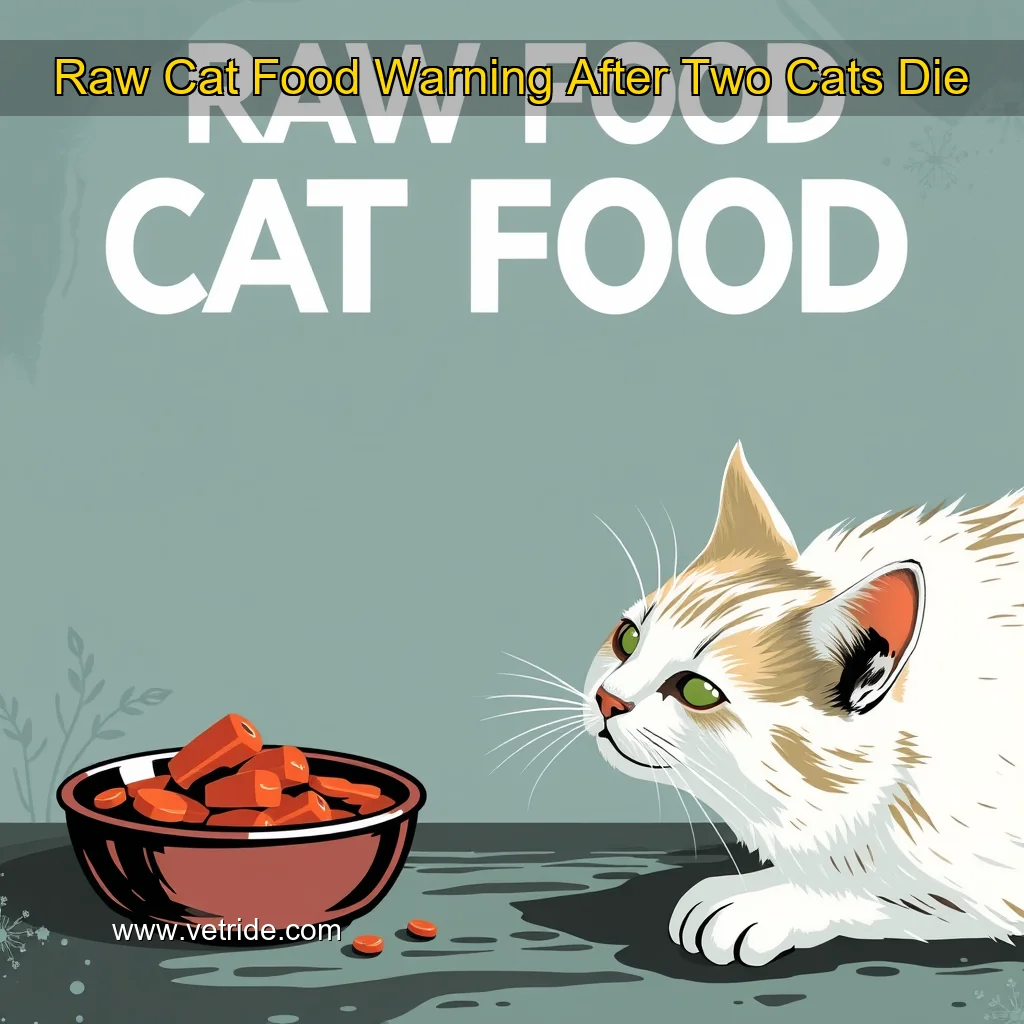
The cats were tested positive for HPAI after exhibiting symptoms such as coughing, sneezing, and difficulty breathing.
The Discovery of HPAI in Cats
The discovery of HPAI in cats is a significant finding, as it highlights the potential for the virus to infect and affect domestic animals. HPAI is a highly contagious and deadly disease that affects birds, but its presence in cats is a new and concerning development.
Symptoms and Transmission
However, dogs can still contract the virus and transmit it to cats.
The HPAI Alert
The Washington State Department of Agriculture (WSDA) has issued a public health alert due to the risk of Highly Pathogenic Avian Influenza (HPAI) in certain lots of raw pet food produced by Wild Coast Raw in Olympia, WA. This alert is a precautionary measure to protect consumers and their pets from potential exposure to the virus.
What is HPAI? HPAI is a highly contagious and deadly form of avian influenza that affects birds and can be transmitted to other animals, including cats and dogs. The virus is highly infectious and can cause severe respiratory illness in infected animals. ### The Risk to Cats
Cats, including both domestic and wild cats, are particularly sensitive to H5N1 avian influenza. This means that even a small amount of the virus can cause severe illness and death in cats. The risk of HPAI in cats is higher than in dogs, and it is essential to take precautions to prevent exposure.
The Risk to Dogs
Dogs are less susceptible to the virus than cats, but they can still contract HPAI and transmit it to cats.
Importance of Hand Hygiene
Hand hygiene is a crucial aspect of maintaining good health, particularly when it comes to preventing the spread of illnesses. Washing your hands after coming into contact with raw meat, poultry, livestock, or animals outside your household is essential to prevent the transmission of bacteria, viruses, and other pathogens. The Centers for Disease Control and Prevention (CDC) recommend washing your hands with soap and water for at least 20 seconds after handling raw meat, poultry, or seafood. The World Health Organization (WHO) emphasizes the importance of hand hygiene in preventing the spread of infectious diseases, including foodborne illnesses. Hand hygiene is not only important for preventing the spread of illnesses but also for maintaining good health and preventing the spread of diseases.
How to Wash Your Hands Properly
Washing your hands properly is crucial to preventing the spread of illnesses. Here are some steps to follow:
If you suspect your pet has H5N1, please immediately contact your veterinarian and tell them about any risk factors.
Understanding H5N1 in Pets**
H5N1, also known as avian influenza, is a highly contagious and potentially deadly virus that affects birds and, in rare cases, other animals. The virus is primarily spread through direct contact with infected birds, contaminated feed or water, or through the air when an infected bird coughs or sneezes.
Symptoms of H5N1 in Pets**
The symptoms of H5N1 in pets can vary depending on the severity of the infection and the species of the animal. Common symptoms include: