The Challenges of Agility Competitions
Agility competitions are physically demanding and require a high level of fitness, strength, and coordination. The courses are designed to test a dog’s speed, agility, and obedience, with obstacles such as tunnels, jumps, and weave poles. For dogs like Aurora, who are already prone to injuries, the risk of further harm is high. The physical demands of agility competitions can be intense, with dogs often running at speeds of up to 30 miles per hour and performing complex maneuvers. The risk of injury is high, with common injuries including strains, sprains, and fractures. The mental demands of agility competitions can also be significant, with dogs needing to focus and concentrate throughout the course.
The Importance of Rehabilitation
Rehabilitation is a critical component of a dog’s recovery from injury. A specialist can help Aurora to regain her strength, mobility, and flexibility, and to prevent further injury. Rehabilitation typically involves a combination of physical therapy, exercise, and training. The goal of rehabilitation is to help the dog to recover from the injury and to return to normal activity levels.
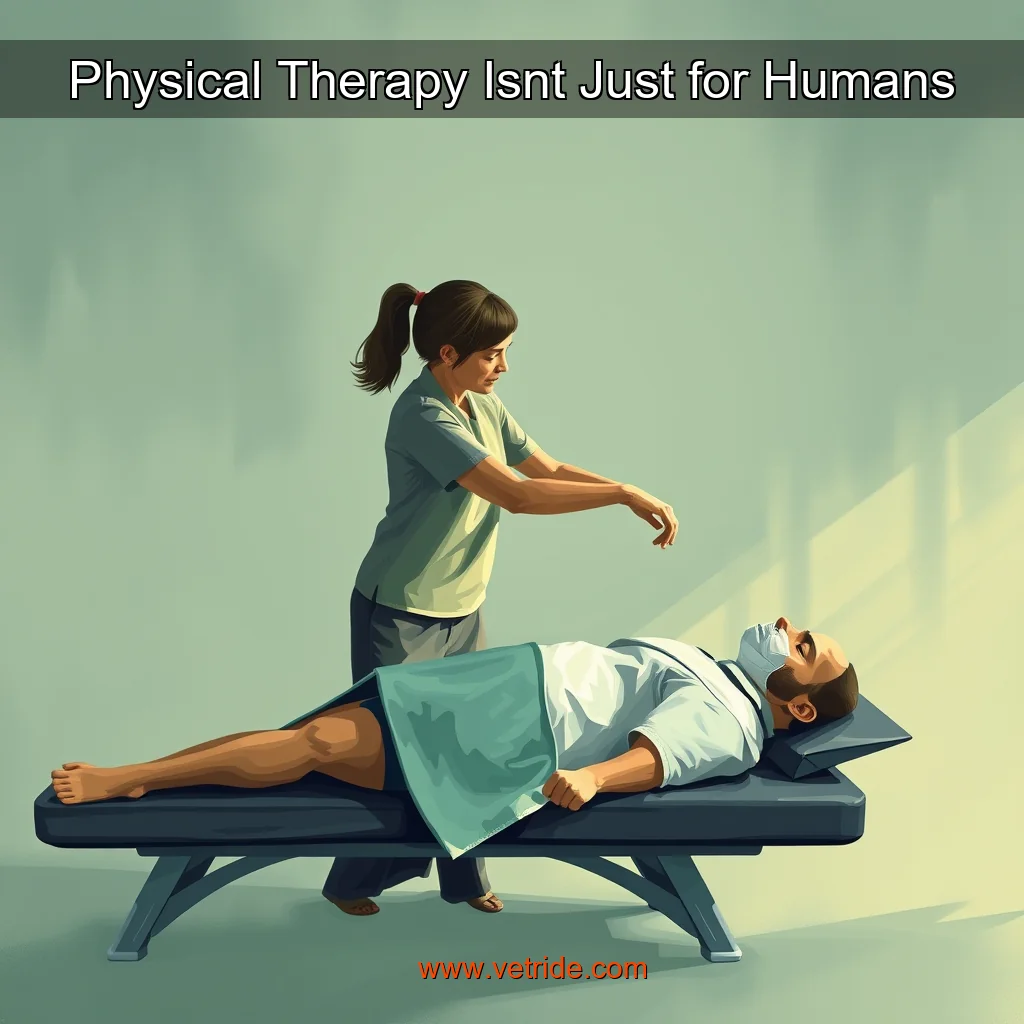
Many pet owners are unaware that their pets can benefit from physical rehabilitation, just like humans. Animal physical rehab can be tailored to meet the specific needs of each pet, whether it’s a dog, cat, or even a small mammal.
Understanding the Benefits of Animal Physical Rehab
Animal physical rehab is a holistic approach to improving the physical health and function of pets. It focuses on enhancing the pet’s range of motion, strength, and flexibility, as well as addressing any underlying medical conditions that may be contributing to their physical limitations. By addressing these issues, animal physical rehab can help pets live longer, healthier lives. Key benefits of animal physical rehab include:
- Improved mobility and reduced pain
- Enhanced strength and flexibility
- Better overall health and well-being
- Increased quality of life for pets
Types of Animal Physical Rehab
There are several types of animal physical rehab, each tailored to meet the specific needs of different pets. Some common types of animal physical rehab include:
The veterinarian prescribed a course of antibiotics and pain medication to help manage her symptoms.
The Challenges of Caring for a Dog with a Luxating Patella
Aurora’s condition was not an isolated incident. Luxating patella, also known as a “hopping” knee, is a common issue in dogs, particularly those with small breeds. The condition affects the knee joint, causing the patella to slip out of place, leading to pain, discomfort, and limited mobility.
Symptoms and Signs
Causes and Risk Factors
Treatment and Management
Charlie’s owner, Sarah, has been working with him to regain his strength and mobility.
The Benefits of Laser Therapy for Dogs**
Laser therapy, also known as low-level laser therapy (LLLT) or photobiomodulation (PBM), has been gaining popularity as a non-invasive treatment for various canine health issues.
Rehabilitation is key to a successful recovery after surgery.
She had to undergo physical therapy after a knee surgery as well.
The Importance of Rehabilitation After Surgery
Rehabilitation is a crucial aspect of the healing process after surgery. It helps the body recover from the physical trauma caused by the operation and prepares it for the return to normal activities. In the case of Aurora and Tucker, their experiences highlight the significance of rehabilitation in the recovery process.
Benefits of Rehabilitation
Rehabilitation offers numerous benefits for individuals undergoing surgery. Some of the key advantages include:
The Role of Physical Therapy in Rehabilitation
Physical therapy plays a vital role in the rehabilitation process. It involves a series of exercises and activities designed to improve the range of motion, strength, and function of the affected area. In the case of Aurora and Tucker, their physical therapy sessions helped them regain their mobility and independence.
Types of Physical Therapy
There are several types of physical therapy that can be used in rehabilitation, including:
The Importance of Patient Education
Patient education is a critical component of the rehabilitation process. It involves educating patients on the importance of their role in their own recovery and providing them with the necessary tools and resources to manage their condition.
Building Muscle Mass
Aurora’s journey to recovery is not just about physical rehabilitation; it’s also about building muscle mass. Barker emphasizes the importance of progressive overload, which means gradually increasing the intensity of her workouts to challenge her muscles and stimulate growth. This approach is crucial for Aurora’s long-term recovery and overall health. Key components of progressive overload: + Gradually increasing weight or resistance + Increasing the number of repetitions or sets + Decreasing rest time between exercises + Incorporating new exercises to target different muscle groups
Nutrition and Recovery
A balanced diet is essential for Aurora’s muscle growth and recovery. Barker recommends a high-protein diet, with a focus on lean meats, fish, and eggs. She also emphasizes the importance of adequate carbohydrates, healthy fats, and fiber-rich foods to support overall health. Key nutrients for muscle growth and recovery: + Protein: 1.2-1.6 grams per kilogram of body weight + Carbohydrates: 2-3 grams per kilogram of body weight + Healthy fats: 0.5-1 gram per kilogram of body weight + Fiber: 25-30 grams per day
Training and Progress Monitoring
Regular training and progress monitoring are crucial for Aurora’s continued recovery and muscle growth. Barker recommends a combination of cardio and strength training exercises to promote overall fitness and well-being. Key training principles: + Periodization: alternating between high-intensity and low-intensity training phases + Progressive overload: gradually increasing the intensity of workouts + Consistency: training regularly and consistently
Challenges and Future Plans
Aurora’s journey to recovery is not without its challenges.
The relaxing music and lavender oil help Aurora to unwind and relax after her intense workout.
The Benefits of Water Treadmill Training
Water treadmill training has become a popular method for athletes and fitness enthusiasts alike. The benefits of this type of training are numerous and well-documented. Here are some of the key advantages of incorporating water treadmill training into your fitness routine:
Understanding Rehabilitation for Pets
Rehabilitation for pets is a type of physical therapy designed to help animals recover from injuries, illnesses, or surgeries. It’s a holistic approach that considers the physical, emotional, and behavioral aspects of a pet’s health.
What Rehabilitation Involves
Rehabilitation for pets typically involves a combination of the following:
Benefits of Rehabilitation
Rehabilitation for pets offers numerous benefits, including:
Examples of Rehabilitation for Pets
He has also worked with dogs, horses, and other animals. He is a certified animal rehabilitation therapist and has worked with a variety of animals, including those with injuries, illnesses, and disabilities.
The Rise of Animal Rehabilitation Therapy
Animal rehabilitation therapy has become increasingly popular in recent years, with thousands of professionals worldwide certified to practice this specialized field. At the heart of this growth is the dedication and expertise of individuals like Dr.
The cost of the treatment is not the only factor to consider when choosing a vet tech for your pet’s rehabilitation. Here are some key factors to consider:
Choosing the Right Vet Tech for Your Pet’s Rehabilitation
When selecting a vet tech for your pet’s rehabilitation, there are several key factors to consider. Here are some of the most important ones:
Understanding the Rehabilitation Process
The rehabilitation process typically involves a combination of physical therapy, exercise, and lifestyle modifications. Here’s an overview of what you can expect:
“It’s a great feeling to know that we can get back to what we do best.”
The Road to Recovery
Aurora, the talented and beloved miniature horse, has been on a long and arduous journey to recover from a devastating injury. The injury, which occurred during a show, left Aurora with a severely injured leg that required extensive treatment and rehabilitation. The road to recovery has been a challenging one, but with the dedication and expertise of her owner, Tucker, and the support of her veterinary team, Aurora is now on the path to regaining her strength and mobility.
The Injury and Treatment
The injury was a severe one, causing significant pain and discomfort for Aurora. Her leg had atrophied by three centimeters, a significant loss of muscle mass and strength. However, thanks to the prompt and effective treatment, Aurora’s leg has begun to heal, and she is now on the road to recovery. The treatment involved a combination of medication, physical therapy, and rehabilitation exercises. The veterinary team worked closely with Tucker to develop a customized treatment plan that addressed Aurora’s specific needs and goals. The treatment was a long and challenging one, requiring patience, dedication, and perseverance from all parties involved.
The Progress and Outlook
As Aurora continues to recover, her progress has been nothing short of remarkable. Her leg has regained its strength and mobility, and she is now able to move around with ease. The most significant improvement, however, has been the reduction in pain and discomfort. Aurora’s owner, Tucker, has reported that “things were hurting, and now nothing hurts,” a testament to the effectiveness of the treatment. Aurora’s progress has been monitored closely by her veterinary team, who have been impressed by her resilience and determination.