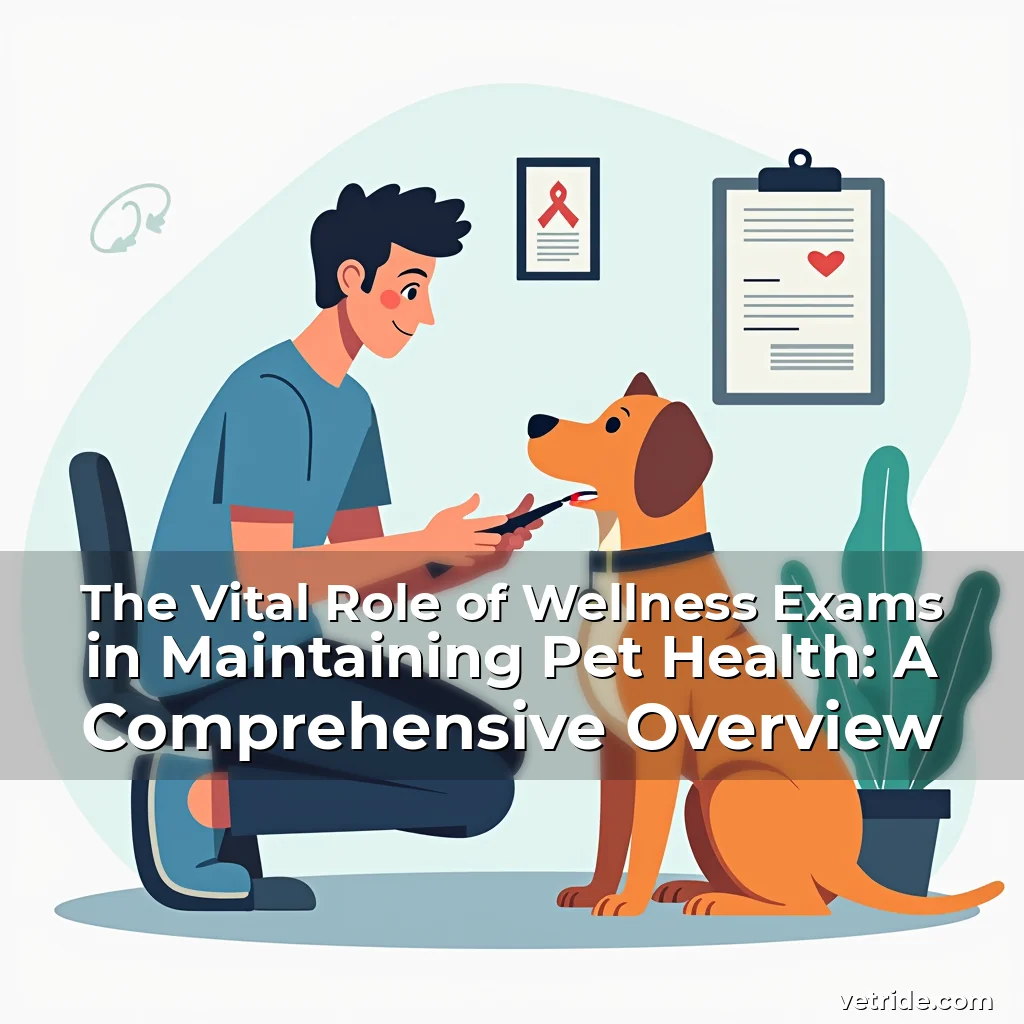
The Vital Role of Wellness Exams in Maintaining Pet Health: A Comprehensive Overview
In an era where pet companionship is cherished as much as family bonds, ensuring our furry friends lead long, healthy lives has become a top priority. One cornerstone of responsible pet ownership is the regular scheduling of wellness exams. These routine check-ups serve as proactive measures against potential health issues.
Veterinarians emphasize that wellness exams are not merely about treating illnesses but about preventing them through early detection and intervention. This approach significantly enhances the quality of life for pets while also offering peace of mind to their owners.
Understanding the Purpose of Wellness Exams
Wealthy exams are designed to assess your pet’s overall health status comprehensively. They involve thorough physical examinations, vaccinations, parasite control, and screening tests tailored to each animal’s age, breed, lifestyle, and environment.
Regular visits allow veterinarians to establish baseline data which can be used for comparison during future visits. This enables timely identification of any deviations from normal parameters indicative of developing conditions.
A critical component of these exams includes updating vaccines according to recommended schedules. Vaccinations protect against various infectious diseases by stimulating immune responses before exposure occurs naturally.
Parasite prevention programs form another essential aspect covered during wellness checks. Fleas, ticks, heartworms, and intestinal parasites pose significant threats to both pets and humans alike; thus addressing them proactively saves countless lives annually.
Why schedule annual wellness exams?
- Early Detection: Regular checkups help detect subtle changes in weight, behavior, coat condition, etc., that might indicate underlying problems.
- Cost Efficiency: Addressing minor concerns promptly often prevents costly treatments required later due to advanced disease stages.
- Pet Longevity: Proactive care contributes directly towards extending lifespan by managing chronic conditions effectively over time.
What Happens During a Typical Wellness Exam?
A typical veterinary visit begins with gathering updated information regarding your pet’s diet, exercise habits, recent behaviors, and any new symptoms they may have experienced since last seen by a professional.
This initial discussion helps set context for what follows next – namely conducting a full-body examination using specialized tools such as stethoscopes, otoscopes, ophthalmoscopes among others depending upon individual needs identified during conversation phase.
Physical assessments include checking vital signs like temperature, pulse rate, respiratory effort along with evaluating skin texture & hydration levels through palpation techniques practiced exclusively within clinical settings.
Dental evaluations play crucial role too considering oral health impacts general wellbeing extensively. Plaque buildup leading eventually toward periodontal disease affects organs beyond mouth itself necessitating attention even when seemingly asymptomatic initially.
The Importance of Age-Specific Care Plans
As animals progress through different life stages—from puppyhood into adulthood then senior years—their healthcare requirements evolve accordingly requiring customized approaches aligned specifically towards those phases.
For instance puppies benefit immensely from early socialization experiences coupled with core vaccination protocols aimed at building immunity against common canine pathogens prevalent locally.
Senior pets require more frequent monitoring because aging brings increased vulnerability across systems including cardiovascular function, cognitive abilities, sensory perception capabilities amongst many other domains affected gradually yet consistently without obvious warning signals sometimes until damage becomes irreversible unless caught earlier via periodic screenings.
Common age-related challenges faced by pets:
- Arthritis: Degenerative joint disorders commonly observed particularly affecting larger breeds whose skeletal structures bear heavier loads causing accelerated wear-and-tear processes over decades.
- Diabetes Mellitus: Insulin regulation difficulties manifest increasingly often among older cats especially given dietary indiscretions coupled occasionally with genetic predispositions making management challenging albeit achievable with proper guidance from qualified professionals.
- Cognitive Decline: Similar to dementia seen in elderly humans, some dogs exhibit signs suggesting impaired memory functions impacting daily routines severely sometimes prompting behavioral modifications necessary to maintain safety standards around household environments.
Beyond Physical Examination: Diagnostic Testing Benefits
Modern veterinary medicine offers several diagnostic options enabling accurate diagnoses even when outward appearances suggest otherwise thereby facilitating targeted therapeutic strategies going forward based upon solid evidence rather than assumptions alone.
Basic blood work panels provide insight into organ functionality indicators measured typically via biochemical profiles assessing liver enzymes activity levels alongside kidney filtration rates helping determine presence/absence of internal dysfunctions invisible externally yet potentially serious if left unaddressed timely enough.
Urinalysis complements serum chemistry results further narrowing down possible causes behind anomalies detected previously allowing prioritization efforts focused appropriately minimizing unnecessary interventions elsewhere.
Fecal flotation procedures identify parasitic infestations residing inside gastrointestinal tracts undetectable visually henceforth ensuring effective deworming regimens implemented correctly avoiding transmission risks associated therewith either internally between members belonging same species groupings or cross-species contamination scenarios involving human populations indirectly exposed through contact mediums.
Creating Effective Preventive Healthcare Strategies
Developing personalized preventive plans involves collaboration between pet owners and veterinary teams working together synergistically leveraging knowledge resources available mutually so best outcomes achieved collectively.
Such collaborative frameworks enable creation of dynamic documents outlining current medical history records, past treatment modalities employed successfully prior instances, ongoing medication prescriptions maintained continuously under supervision plus upcoming appointments scheduled ahead ensuring continuity uninterrupted wherever feasible circumstances permit.
Preventative care extends beyond mere routine visits incorporating aspects related nutrition science principles guiding food selections optimized scientifically according to biological needs dictated primarily by factors such as metabolic demands influenced largely by activity level engaged regularly besides genetic makeup inherent traits passed down generations.
Supplemental therapies may also feature prominently within holistic treatment paradigms integrating conventional pharmaceutical solutions alongside alternative methods rooted traditionally within indigenous practices validated empirically through controlled trials establishing efficacy benchmarks comparable standard methodologies currently accepted globally within scientific communities.
Recognizing Early Signs of Illness Through Routine Checks
During every wellness appointment, trained personnel observe closely for minute variations occurring subtly perhaps imperceptible casually but meaningful clinically once scrutinized systematically employing standardized assessment criteria uniformly applied universally regardless geographical locations visited professionally.
Changes could range from slight alterations concerning appetite patterns exhibited differently compared usual consumption frequencies recorded historically; similar observations made relative grooming habits displayed changed intensity possibly signaling discomfort originating somewhere else non-obvious initially appearing trivial however warranting investigation thoroughly subsequent follow ups arranged expeditiously.
Behavioral cues constitute equally vital clues worth noting diligently during interactions transpiring naturally amidst familiar surroundings fostering comfort conducive optimal response elicitation required precisely measuring psychological states accurately without undue stress imposed artificially disrupting natural expressions spontaneously emerging unprompted.
By maintaining meticulous documentation logs tracking longitudinal trends discernible patterns emerge aiding interpretation meaningfully contributing towards differential diagnosis formation guiding appropriate course actions selected judiciously weighing pros cons carefully before deciding final decisions rendered prudently always keeping patient welfare paramount consideration foremost throughout entire process enduringly.
Community Resources Supporting Pet Wellness Initiatives
Various local organizations offer assistance programs supporting economically disadvantaged individuals struggling afford basic necessities inclusive veterinary services integral part overall well-being maintenance regimen indispensable irrespective socioeconomic backgrounds encountered universally.
These initiatives frequently collaborate closely partnering governmental agencies aiming reduce disparities existing currently widespread access limitations confronting numerous households lacking sufficient financial means securing adequate preventative care provisions essential sustaining longevity vitality desired inherently bestowed upon beloved companions cherished deeply emotionally attached irreplaceably.
Additionally educational workshops seminars periodically conducted disseminating latest research findings advancements field enhancing public awareness understanding importance regular check-ups reinforcing necessity thereof cultivating culture valuing proactive health management practices beneficially influencing attitudes behaviors positively ultimately resulting healthier happier pets coexisting harmoniously alongside families embracing shared responsibilities joyfully.
Online platforms contribute substantially facilitating remote consultations virtual appointments eliminating barriers posed distance travel costs time constraints enabling wider reach accessibility expanding scope influence broadly encompassing diverse demographics previously underserved adequately now empowered receiving equitable opportunities pursuing optimum wellness goals pursued relentlessly enthusiastically.
Conclusion
Wellness exams represent foundational pillars upon which robust veterinary care systems rest securely providing assurance stability essential nurturing thriving relationships formed between humans and their animal counterparts reciprocally enriching existences profoundly.
To ensure continued good health for your companion, make scheduling regular wellness exams a top priority. By doing so, you’re investing in a lifetime of happiness, safety, and companionship with your four-legged friend.
“`
The Vital Role of Wellness Exams in Maintaining Pet Health: A Comprehensive Overview
In an era where pet companionship is cherished as much as family bonds, ensuring our furry friends lead long, healthy lives has become a top priority. One cornerstone of responsible pet ownership is the regular scheduling of wellness exams. These routine check-ups serve as proactive measures against potential health issues.
Veterinarians emphasize that wellness exams are not merely about treating illnesses but about preventing them through early detection and intervention. This approach significantly enhances the quality of life for pets while also offering peace of mind to their owners.
Understanding the Purpose of Wellness Exams
Wealthy exams are designed to assess your pet’s overall health status comprehensively. They involve thorough physical examinations, vaccinations, parasite control, and screening tests tailored to each animal’s age, breed, lifestyle, and environment.
Regular visits allow veterinarians to establish baseline data which can be used for comparison during future visits. This enables timely identification of any deviations from normal parameters indicative of developing conditions.
A critical component of these exams includes updating vaccines according to recommended schedules. Vaccinations protect against various infectious diseases by stimulating immune responses before exposure occurs naturally.
Parasite prevention programs form another essential aspect covered during wellness checks. Fleas, ticks, heartworms, and intestinal parasites pose significant threats to both pets and humans alike; thus addressing them proactively saves countless lives annually.
Why schedule annual wellness exams?
- Early Detection: Regular checkups help detect subtle changes in weight, behavior, coat condition, etc., that might indicate underlying problems.
- Cost Efficiency: Addressing minor concerns promptly often prevents costly treatments required later due to advanced disease stages.
- Pet Longevity: Proactive care contributes directly towards extending lifespan by managing chronic conditions effectively over time.
What Happens During a Typical Wellness Exam?
A typical veterinary visit begins with gathering updated information regarding your pet’s diet, exercise habits, recent behaviors, and any new symptoms they may have experienced since last seen by a professional.
This initial discussion helps set context for what follows next – namely conducting a full-body examination using specialized tools such as stethoscopes, otoscopes, ophthalmoscopes among others depending upon individual needs identified during conversation phase.
Physical assessments include checking vital signs like temperature, pulse rate, respiratory effort along with evaluating skin texture & hydration levels through palpation techniques practiced exclusively within clinical settings.
Dental evaluations play crucial role too considering oral health impacts general wellbeing extensively. Plaque buildup leading eventually toward periodontal disease affects organs beyond mouth itself necessitating attention even when seemingly asymptomatic initially.
The Importance of Age-Specific Care Plans
As animals progress through different life stages—from puppyhood into adulthood then senior years—their healthcare requirements evolve accordingly requiring customized approaches aligned specifically towards those phases.
For instance puppies benefit immensely from early socialization experiences coupled with core vaccination protocols aimed at building immunity against common canine pathogens prevalent locally.
Senior pets require more frequent monitoring because aging brings increased vulnerability across systems including cardiovascular function, cognitive abilities, sensory perception capabilities amongst many other domains affected gradually yet consistently without obvious warning signals sometimes until damage becomes irreversible unless caught earlier via periodic screenings.
Common age-related challenges faced by pets:
- Arthritis: Degenerative joint disorders commonly observed particularly affecting larger breeds whose skeletal structures bear heavier loads causing accelerated wear-and-tear processes over decades.
- Diabetes Mellitus: Insulin regulation difficulties manifest increasingly often among older cats especially given dietary indiscretions coupled occasionally with genetic predispositions making management challenging albeit achievable with proper guidance from qualified professionals.
- Cognitive Decline: Similar to dementia seen in elderly humans, some dogs exhibit signs suggesting impaired memory functions impacting daily routines severely sometimes prompting behavioral modifications necessary to maintain safety standards around household environments.
Beyond Physical Examination: Diagnostic Testing Benefits
Modern veterinary medicine offers several diagnostic options enabling accurate diagnoses even when outward appearances suggest otherwise thereby facilitating targeted therapeutic strategies going forward based upon solid evidence rather than assumptions alone.
Basic blood work panels provide insight into organ functionality indicators measured typically via biochemical profiles assessing liver enzymes activity levels alongside kidney filtration rates helping determine presence/absence of internal dysfunctions invisible externally yet potentially serious if left unaddressed timely enough.
Urinalysis complements serum chemistry results further narrowing down possible causes behind anomalies detected previously allowing prioritization efforts focused appropriately minimizing unnecessary interventions elsewhere.
Fecal flotation procedures identify parasitic infestations residing inside gastrointestinal tracts undetectable visually henceforth ensuring effective deworming regimens implemented correctly avoiding transmission risks associated therewith either internally between members belonging same species groupings or cross-species contamination scenarios involving human populations indirectly exposed through contact mediums.
Creating Effective Preventive Healthcare Strategies
Developing personalized preventive plans involves collaboration between pet owners and veterinary teams working together synergistically leveraging knowledge resources available mutually so best outcomes achieved collectively.
Such collaborative frameworks enable creation of dynamic documents outlining current medical history records, past treatment modalities employed successfully prior instances, ongoing medication prescriptions maintained continuously under supervision plus upcoming appointments scheduled ahead ensuring continuity uninterrupted wherever feasible circumstances permit.
Preventative care extends beyond mere routine visits incorporating aspects related nutrition science principles guiding food selections optimized scientifically according to biological needs dictated primarily by factors such as metabolic demands influenced largely by activity level engaged regularly besides genetic makeup inherent traits passed down generations.
Supplemental therapies may also feature prominently within holistic treatment paradigms integrating conventional pharmaceutical solutions alongside alternative methods rooted traditionally within indigenous practices validated empirically through controlled trials establishing efficacy benchmarks comparable standard methodologies currently accepted globally within scientific communities.
Recognizing Early Signs of Illness Through Routine Checks
During every wellness appointment, trained personnel observe closely for minute variations occurring subtly perhaps imperceptible casually but meaningful clinically once scrutinized systematically employing standardized assessment criteria uniformly applied universally regardless geographical locations visited professionally.
Changes could range from slight alterations concerning appetite patterns exhibited differently compared usual consumption frequencies recorded historically; similar observations made relative grooming habits displayed changed intensity possibly signaling discomfort originating somewhere else non-obvious initially appearing trivial however warranting investigation thoroughly subsequent follow ups arranged expeditiously.
Behavioral cues constitute equally vital clues worth noting diligently during interactions transpiring naturally amidst familiar surroundings fostering comfort conducive optimal response elicitation required precisely measuring psychological states accurately without undue stress imposed artificially disrupting natural expressions spontaneously emerging unprompted.
By maintaining meticulous documentation logs tracking longitudinal trends discernible patterns emerge aiding interpretation meaningfully contributing towards differential diagnosis formation guiding appropriate course actions selected judiciously weighing pros cons carefully before deciding final decisions rendered prudently always keeping patient welfare paramount consideration foremost throughout entire process enduringly.
Community Resources Supporting Pet Wellness Initiatives
Various local organizations offer assistance programs supporting economically disadvantaged individuals struggling afford basic necessities inclusive veterinary services integral part overall well-being maintenance regimen indispensable irrespective socioeconomic backgrounds encountered universally.
These initiatives frequently collaborate closely partnering governmental agencies aiming reduce disparities existing currently widespread access limitations confronting numerous households lacking sufficient financial means securing adequate preventative care provisions essential sustaining longevity vitality desired inherently bestowed upon beloved companions cherished deeply emotionally attached irreplaceably.
Additionally educational workshops seminars periodically conducted disseminating latest research findings advancements field enhancing public awareness understanding importance regular check-ups reinforcing necessity thereof cultivating culture valuing proactive health management practices beneficially influencing attitudes behaviors positively ultimately resulting healthier happier pets coexisting harmoniously alongside families embracing shared responsibilities joyfully.
Online platforms contribute substantially facilitating remote consultations virtual appointments eliminating barriers posed distance travel costs time constraints enabling wider reach accessibility expanding scope influence broadly encompassing diverse demographics previously underserved adequately now empowered receiving equitable opportunities pursuing optimum wellness goals pursued relentlessly enthusiastically.
Conclusion
Wellness exams represent foundational pillars upon which robust veterinary care systems rest securely providing assurance stability essential nurturing thriving relationships formed between humans and their animal counterparts reciprocally enriching existences profoundly.
To ensure continued good health for your companion, make scheduling regular wellness exams a top priority. By doing so, you’re investing in a lifetime of happiness, safety, and companionship with your four-legged friend.
“`
In an era where pet companionship is cherished as much as family bonds, ensuring our furry friends lead long, healthy lives has become a top priority. One cornerstone of responsible pet ownership is the regular scheduling of wellness exams. These routine check-ups serve as proactive measures against potential health issues. Veterinarians emphasize that wellness exams are not merely about treating illnesses but about preventing them through early detection and intervention. This approach significantly enhances the quality of life for pets while also offering peace of mind to their owners. Wealthy exams are designed to assess your pet’s overall health status comprehensively. They involve thorough physical examinations, vaccinations, parasite control, and screening tests tailored to each animal’s age, breed, lifestyle, and environment. Regular visits allow veterinarians to establish baseline data which can be used for comparison during future visits. This enables timely identification of any deviations from normal parameters indicative of developing conditions. A critical component of these exams includes updating vaccines according to recommended schedules. Vaccinations protect against various infectious diseases by stimulating immune responses before exposure occurs naturally. Parasite prevention programs form another essential aspect covered during wellness checks. Fleas, ticks, heartworms, and intestinal parasites pose significant threats to both pets and humans alike; thus addressing them proactively saves countless lives annually. Why schedule annual wellness exams? A typical veterinary visit begins with gathering updated information regarding your pet’s diet, exercise habits, recent behaviors, and any new symptoms they may have experienced since last seen by a professional. This initial discussion helps set context for what follows next – namely conducting a full-body examination using specialized tools such as stethoscopes, otoscopes, ophthalmoscopes among others depending upon individual needs identified during conversation phase. Physical assessments include checking vital signs like temperature, pulse rate, respiratory effort along with evaluating skin texture & hydration levels through palpation techniques practiced exclusively within clinical settings. Dental evaluations play crucial role too considering oral health impacts general wellbeing extensively. Plaque buildup leading eventually toward periodontal disease affects organs beyond mouth itself necessitating attention even when seemingly asymptomatic initially. As animals progress through different life stages—from puppyhood into adulthood then senior years—their healthcare requirements evolve accordingly requiring customized approaches aligned specifically towards those phases. For instance puppies benefit immensely from early socialization experiences coupled with core vaccination protocols aimed at building immunity against common canine pathogens prevalent locally. Senior pets require more frequent monitoring because aging brings increased vulnerability across systems including cardiovascular function, cognitive abilities, sensory perception capabilities amongst many other domains affected gradually yet consistently without obvious warning signals sometimes until damage becomes irreversible unless caught earlier via periodic screenings. Common age-related challenges faced by pets: Modern veterinary medicine offers several diagnostic options enabling accurate diagnoses even when outward appearances suggest otherwise thereby facilitating targeted therapeutic strategies going forward based upon solid evidence rather than assumptions alone. Basic blood work panels provide insight into organ functionality indicators measured typically via biochemical profiles assessing liver enzymes activity levels alongside kidney filtration rates helping determine presence/absence of internal dysfunctions invisible externally yet potentially serious if left unaddressed timely enough. Urinalysis complements serum chemistry results further narrowing down possible causes behind anomalies detected previously allowing prioritization efforts focused appropriately minimizing unnecessary interventions elsewhere. Fecal flotation procedures identify parasitic infestations residing inside gastrointestinal tracts undetectable visually henceforth ensuring effective deworming regimens implemented correctly avoiding transmission risks associated therewith either internally between members belonging same species groupings or cross-species contamination scenarios involving human populations indirectly exposed through contact mediums. Developing personalized preventive plans involves collaboration between pet owners and veterinary teams working together synergistically leveraging knowledge resources available mutually so best outcomes achieved collectively. Such collaborative frameworks enable creation of dynamic documents outlining current medical history records, past treatment modalities employed successfully prior instances, ongoing medication prescriptions maintained continuously under supervision plus upcoming appointments scheduled ahead ensuring continuity uninterrupted wherever feasible circumstances permit. Preventative care extends beyond mere routine visits incorporating aspects related nutrition science principles guiding food selections optimized scientifically according to biological needs dictated primarily by factors such as metabolic demands influenced largely by activity level engaged regularly besides genetic makeup inherent traits passed down generations. Supplemental therapies may also feature prominently within holistic treatment paradigms integrating conventional pharmaceutical solutions alongside alternative methods rooted traditionally within indigenous practices validated empirically through controlled trials establishing efficacy benchmarks comparable standard methodologies currently accepted globally within scientific communities. During every wellness appointment, trained personnel observe closely for minute variations occurring subtly perhaps imperceptible casually but meaningful clinically once scrutinized systematically employing standardized assessment criteria uniformly applied universally regardless geographical locations visited professionally. Changes could range from slight alterations concerning appetite patterns exhibited differently compared usual consumption frequencies recorded historically; similar observations made relative grooming habits displayed changed intensity possibly signaling discomfort originating somewhere else non-obvious initially appearing trivial however warranting investigation thoroughly subsequent follow ups arranged expThe Vital Role of Wellness Exams in Maintaining Pet Health: A Comprehensive Overview
Understanding the Purpose of Wellness Exams
What Happens During a Typical Wellness Exam?
The Importance of Age-Specific Care Plans
Beyond Physical Examination: Diagnostic Testing Benefits
Creating Effective Preventive Healthcare Strategies
Recognizing Early Signs of Illness Through Routine Checks